Behind the Scenes of a Crowd Hire: What Actually Happens on the Day To anyone…
The Psychology of Queues: Why People Follow People
Queues are a familiar part of British life. We queue for buses, for coffee, for theatre tickets and, perhaps most enthusiastically, for Boxing Day sales. But beyond politeness and tradition, there is something deeper at work.
When people see a queue, they rarely ignore it. They look. They slow down. Sometimes they join. This reaction is not accidental. It is rooted in psychology.
For brands, retailers and event organisers, understanding the psychology of queues can transform how campaigns are perceived. Whether through organic attendance or carefully planned crowd hire, a visible queue can create trust, urgency and curiosity in a way few other marketing tools can.
Why Queues Capture Attention
A queue is a visual signal. It tells us that something is happening and that other people consider it worthwhile. Humans are naturally influenced by the behaviour of others, especially in public settings.
Psychologists call this social proof. When we are uncertain about a decision, we look to others for guidance. If many people are waiting for something, we assume there must be a good reason.
This is why queues:
Attract attention on busy high streets
Encourage passers-by to stop and look
Make products appear more desirable
Increase perceived value
Even a short queue can shift perception dramatically.
The Trust Factor: Why Crowds Signal Credibility
Trust is central to consumer behaviour. Before buying, attending or engaging, people want reassurance that their choice is sensible.
A queue provides that reassurance. It suggests that:
Others have already decided it is worth the wait
The event or product has been vetted socially
The brand is popular or reputable
In marketing terms, this lowers hesitation. People feel safer following a path others have taken.
For this reason, many retail launches and PR events use crowd hire to establish an early sense of demand. The goal is not deception. It is to create a foundation of visible interest that encourages genuine participation.
Urgency and the Fear of Missing Out
Queues also trigger urgency. When people see others waiting, they instinctively worry that they may miss out.
This response is linked to scarcity. We assume that if people are queuing, supply may be limited. Limited supply increases perceived value.
Retailers use this principle frequently:
Limited edition trainers
One-day sales
Exclusive product drops
A queue outside the store reinforces the idea that something special is happening inside. Without the queue, the same offer may seem routine.
When supported by thoughtful crowd hire planning, this sense of urgency can be established from the very first hour of a launch.
Curiosity: The Magnetic Effect of Crowds
Beyond trust and urgency lies curiosity. Humans are naturally drawn to gatherings. If a group forms on a pavement, others slow down to see why.
Curiosity is powerful because it encourages engagement without pressure. A passer-by may not intend to buy anything, but the sight of a queue prompts them to investigate.
This effect works particularly well for:
PR stunts
Experiential marketing
Shop openings
Street performances
A small, well-positioned crowd can create a ripple effect, gradually increasing real footfall.
How Crowd Hire Supports Queue Psychology
Creating Early Momentum
The first thirty minutes of an event are often the most critical. A quiet start can dampen energy and reduce confidence.
Crowd hire ensures that the queue effect is present from the beginning. As real visitors arrive, they encounter a lively, engaged scene rather than an empty entrance.
Maintaining Natural Behaviour
Professional crowd participants are briefed to behave naturally. They:
Check phones
Chat quietly
Shift their weight
Move forward gradually
These subtle actions prevent the queue from looking staged. The aim is realism, not performance.
Matching the Brand Audience
Queues feel authentic when they reflect the expected customer base. A luxury boutique will look different from a gaming store. Careful casting ensures that the hired crowd aligns with the brand’s identity.
This detail strengthens credibility rather than undermining it.
When Queue Psychology Works Best
Retail Sales and Product Launches
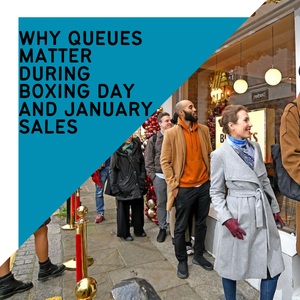
During Boxing Day or January sales, queues amplify the perception of value. They reassure hesitant shoppers that deals are worthwhile.
Ticketed Events and Concerts
Fans queuing early for gigs create excitement and anticipation. Even casual observers feel the energy.
New Store Openings
A visible line outside a new location signals popularity before the doors even open.
PR Campaigns and Brand Activations
For publicity events, a queue can act as the anchor that draws media attention and social media engagement.
Avoiding the Pitfalls of Staged Queues
While queue psychology is powerful, it must be handled carefully.
Overcrowding
An excessively large crowd can feel forced. The goal is believable activity, not spectacle.
Uniform Behaviour
If everyone behaves identically, the queue looks rehearsed. Natural variation is essential.
Ignoring Timing
Queues are most effective at key moments, such as opening time or media arrivals. They do not need to remain static all day.
Planning ensures that the queue enhances rather than overwhelms the event.
The Broader Role of Crowd Hire in Marketing
Queues are just one example of how human presence shapes perception. In filming, PR stunts and exhibitions, background crowds add depth and realism.
They create:
Atmosphere
Visual impact
Social validation
Emotional engagement
In all cases, the underlying principle is the same. People trust people. When they see others participating, they feel more confident doing the same.
Why Following the Crowd Feels Safe
From an evolutionary perspective, following the group has always been safer than acting alone. While modern shopping is far removed from survival instincts, the psychological wiring remains.
Standing apart from a crowd requires confidence. Joining one requires less mental effort. This is why queues are so persuasive. They simplify decision-making.
Brands that understand this principle can shape perception more effectively.
The Power of People
Queues may seem ordinary, but they are deeply persuasive. They communicate trust without words, create urgency without pressure and spark curiosity without advertising.
Whether through organic turnout or carefully considered crowd hire, a visible gathering transforms how an event or offer is perceived.
In marketing, the message matters. But often, it is the presence of people that determines whether anyone listens.

Related Posts