The Psychology of Queues: Why People Follow People Queues are a familiar part of British…
Behind the Scenes of a Crowd Hire: What Actually Happens on the Day
To anyone watching from the outside, a successful crowd hire can look effortless. A busy queue outside a shop, an engaged audience at a product launch, a lively group at a PR stunt or a believable crowd scene in a commercial all appear to come together naturally. In reality, there is usually a great deal of planning behind that polished final result.
Crowd hire is not simply a case of gathering people and asking them to turn up. A good hired crowd is carefully organised, clearly briefed and professionally coordinated so that the event, shoot or stunt feels natural, controlled and effective from the first minute to the last.
For clients, it can be useful to understand what actually happens on the day. Knowing how crowd coordination works helps explain why professional crowd hire makes such a difference, particularly when timing, atmosphere and first impressions matter.
This blog takes a realistic look behind the scenes of a crowd hire, from arrival and briefing through to positioning, coordination and wrap-up.
What Is Crowd Hire and Why Does It Need Coordination?
Crowd hire is the process of supplying a group of people for a specific purpose. That might include a queue outside a shop, a crowd at a launch event, background extras for a commercial, an audience for a live performance, or participants in a PR stunt.
The reason coordination matters is simple. A crowd may look casual, but if it is not managed properly it can quickly look disorganised, unnatural or ineffective. People need to know where to be, what the tone of the event is, how they should behave, and what the client is trying to achieve.
The most successful crowd hire jobs rely on a balance between structure and realism. The organisation behind the scenes is what allows the crowd to look natural in front of the camera or in public.
Before the Crowd Hire Day Begins
The Client Brief Comes First
Every successful crowd hire starts with a clear brief. Before the day itself, the client or agency will usually outline key details such as:
the type of event or production
the number of people required
the age range or demographic needed
the dress code or overall look
the location and timings
the desired atmosphere
any specific actions needed
For example, a crowd for a concert shoot may need to look enthusiastic, clap, dance and react to the music. A crowd for a luxury retail opening might need to appear polished, relaxed and interested rather than overly animated.
This early planning stage is important because it shapes the casting and the coordination plan for the day.
Matching the Right People to the Job
Not every crowd is the same. A good crowd hire service will think carefully about the type of people needed for the project.
A campaign aimed at younger shoppers may need students or young adults who feel credible in that environment. A corporate event may need a more mixed professional-looking crowd. A commercial set in a family-friendly location might need a broader range of ages and appearances.
Getting this right makes the crowd feel believable. It is often the difference between a hired crowd that blends in naturally and one that looks forced.
What Happens When the Hired Crowd Arrives?
Check-In and Registration
On the day of the event or shoot, the first step is usually check-in. Depending on the scale of the job, this can happen at a meeting point nearby, at the venue itself, or at a holding area away from the public eye.
At this stage, the crowd coordinator or event team will:
confirm attendance
check names against the booking list
make sure everyone has arrived on time
deal with any last-minute issues
answer initial questions
For larger crowd hire jobs, this stage can be essential. If you are working with dozens of people, you need an organised start. A rushed or confused arrival can affect the whole day.
Wardrobe and Appearance Checks
Once people have checked in, there may be a quick review of what they are wearing. Sometimes clients want a very particular style. Other times the aim is simply to make sure nobody stands out for the wrong reasons.
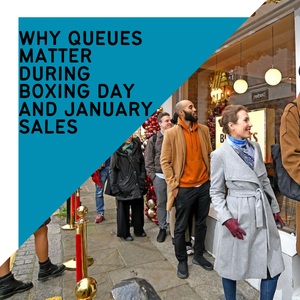
For example, if the crowd is meant to look like real shoppers at a Boxing Day sale, the clothing should feel seasonally appropriate and varied. If the job is a queue outside a high-end launch, the group may need to look a bit smarter and more polished.
Small details matter in crowd hire. One bright logo, one unsuitable outfit or one person dressed too formally can affect the realism of the scene.
The Briefing: Setting the Tone for the Day
Explaining the Purpose of the Crowd Hire
One of the most important parts of the day is the briefing. This is where the crowd is told what is happening, what the client wants, and how their role fits into the wider event or production.
This briefing often covers:
the purpose of the campaign or shoot
what kind of mood is required
where people will be positioned
whether photography or filming is taking place
how much energy is needed
what not to do
A good briefing helps everyone feel confident. It also creates consistency, so the crowd behaves in a way that supports the client’s goals.
Behaviour Matters More Than Performance
A common misconception is that crowd hire involves acting in an exaggerated way. In reality, the opposite is usually true. Most clients want people to behave naturally.
That may mean:
- chatting quietly
- checking phones
- reacting to music
- clapping at appropriate moments
- walking with purpose
- queuing in a believable way
The aim is not to put on a show unless the brief specifically calls for that. Most of the time, the best crowd hire looks completely unforced.
Positioning the Crowd for Maximum Effect
Creating a Natural Layout
Once the briefing is complete, the next job is positioning. This can make an enormous difference to how the crowd looks in person and on camera.
A skilled crowd coordinator will think about:
- the most visible areas
- camera angles
- entrances and exits
- where the event energy needs to sit
- how to avoid obvious clustering
For example, if the brief is to create a strong queue outside a store, people may be spaced in a way that looks organic rather than too neat. If it is a busy event crowd inside a venue, the coordinator may place people in key visual zones first so that the room feels alive from the start.
Adjusting Throughout the Day
Crowd coordination does not stop once everyone is in place. People naturally move, real guests arrive, light changes, and the needs of the event may shift. A good coordinator keeps watching and adjusting.
This might involve:
- moving people slightly for better balance
- filling visual gaps
- increasing energy in one area
- reducing crowd density in another
- reacting to photographer or director requests
- This ongoing management is one of the reasons professional crowd hire works so well. It remains flexible while still feeling natural.
Crowd Hire for Different Types of Jobs
Crowd Hire for PR Stunts
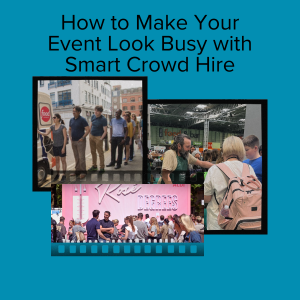
For PR stunts, timing and reaction are often everything. The crowd may need to gather gradually, respond to a reveal, take photos, clap, or create a sense of excitement that encourages the public to stop and look.
On the day, the coordinator will usually manage the rhythm carefully so that the stunt feels spontaneous, even though it has been organised behind the scenes.
Crowd Hire for Shop Queues and Launches
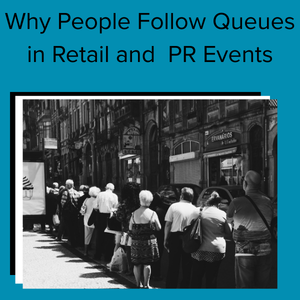
For retail openings and January sales, the crowd often needs to create a strong first impression before the doors open. This means arriving early, forming a believable queue, and behaving like genuine customers.
Subtle behaviour is key here. A queue should look real, not rehearsed.
Crowd Hire for Commercials and Photo Shoots
For filming and photography, the crowd may function more like background extras. In these settings, continuity matters. People may need to repeat movements across several takes, maintain the same positions, and keep the same energy level.
This type of crowd hire often requires patience and a bit more technical awareness, but the principle is the same: natural behaviour within a clear structure.
Communication Behind the Scenes – The Role of the Crowd Coordinator
The crowd coordinator is often the person holding everything together. They are the link between the client, the production team and the hired crowd.
Their responsibilities may include:
- checking attendance
- briefing the group
- managing timing
- repositioning people
- solving problems
- keeping communication clear
- making sure the crowd stays engaged
Without this role, even a well-cast group can lose focus or drift away from what the client needs.
Keeping Morale and Energy Steady
On some jobs, especially longer ones, maintaining energy is important. A crowd can only look lively if they feel comfortable and informed.
This is why good coordination also involves:
- clear instructions
- realistic expectations
- sensible breaks where possible
- knowing when to reset and refocus
A calm, well-run set or event tends to produce much better results than one where people feel confused or ignored.
What Clients Often Do Not See
From the outside, clients may simply see a crowd that looks busy, engaged and natural. What they often do not see is the quiet work that makes that happen:
- the advance planning
- the right casting decisions
- the check-in process
- the clear briefing
- the ongoing repositioning
- the communication between teams
- the quick adjustments when something changes
That invisible structure is exactly what allows the visible result to feel so easy.
Why Professional Crowd Hire Makes a Difference
Anyone can ask a few people to turn up. That is not the same as crowd hire. The difference lies in reliability, detail and coordination.
Professional crowd hire gives clients:
- the right number of people
- a suitable mix of personalities and appearances
- clear organisation
- natural but purposeful behaviour
- less stress on the day
- stronger visual and experiential results
Whether the goal is to make a shop opening feel in demand, help a PR stunt attract attention, or make a commercial set feel believable, the quality of the crowd and the quality of the coordination matter just as much as the creative idea itself.
The Work Behind a Natural-Looking Crowd
A good crowd hire should never feel stiff, over-managed or artificial. It should feel easy, believable and right for the setting. Ironically, that natural effect usually depends on a lot of careful planning and calm coordination behind the scenes.
From the moment the crowd arrives to the moment the day wraps, there is a clear process at work. Briefing, positioning, movement, communication and ongoing adjustments all play a part in making sure the final result supports the client’s objectives.
So when a crowd looks completely natural on camera or in public, that is often a sign that the coordination behind it has been done very well indeed.

Related Posts